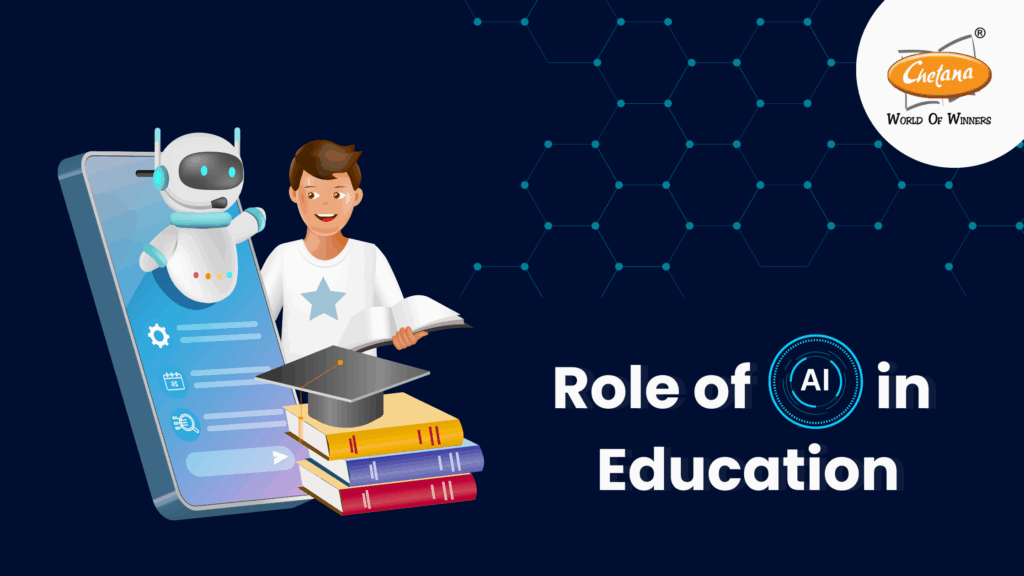
Artificial Intelligence is no longer a concept of the future. It is rapidly gaining relevance across various sectors. Today through its ability to interact, learn, and adapt to our needs and education is no exception. The rise of AI is causing a paradigm shift in how we learn and teach. This offers an innovative solution that are revolutionising the education sector.
Personalised Engagement
AI is helping educators streamline the tediousness of administrative work. Allowing them the time and focus to fully interact with their students on an emotional and intellectual level. With AI conducting an intensive analysis of the performance of the class, teachers can gain a data-driven insight to refine their teaching methods.
Students can also benefit from a personalised interface that can help them explore new avenues and unlock various interests and passions. It can also help them by tailoring educational experiences to suit weaknesses and strengths. Ultimately enhancing their academic performance.
Promoting Equity
AI is playing a pivotal role to promote inclusivity and transparency in the sector of education. Generative AI model tools are bridging language gaps, offering a multilingual and multi-faceted learning experience to diverse student populations.
Moreover, its tools are also being used to support students with learning disabilities, incorporating a greater degree of sensitivity and awareness into its learning process. For example, Auticare, an XR-AI based assistive technology, functions as an effective learning platform for students with Autism Spectrum Disorder (ASD) and special education needs.
Automated, Real-time Assessment
AI is proving itself to be exceptionally efficient in curating personalised mock tests, and adaptive worksheets. It is designed to improve the student’s academic performance. Models can create and recreate worksheets suited to the student’s level of difficulty and ensure that the student is not left behind.
Teachers benefit from this too. It can automate repetitive grading tasks. This relieves the teacher of the overwhelming and time consuming work, and therefore allowing them the time to dedicate themselves to a struggling student.
With a quick and assured feedback system in place to immediately correct misconceptions in real-time, it ensures continuity in the learning process.
Responsible Adoption
The concerns regarding the adoption of AI on a large scale are being addressed steadily through thoughtful and inclusive government initiatives and policies. The National Education Policy, 2020, insists on the integration of AI in education on all levels, along with CBSE’s collaboration with Intel for the development of an AI Facilitator Handbook to assist educators. However, the use of AI should be purposeful and ethical. It should foster critical thinking rather than enabling shortcuts through plagiarism. It should not be perpetuated by the rapidity of AI generated responses.
Conclusion
We stand at a pivotal point in history today. The incorporation of AI in education will determine the future of learning. Education must remain an evolving concept. One that embraces change and rejects rigidity. This should be used to facilitate and enhance learning. It should assist educators not replace them.
As a tool, AI has immense power, and in the right hands, it has the power to change lives.